Archives
- 2026-04
- 2026-03
- 2026-02
- 2026-01
- 2025-12
- 2025-11
- 2025-10
- 2025-09
- 2025-03
- 2025-02
- 2025-01
- 2024-12
- 2024-11
- 2024-10
- 2024-09
- 2024-08
- 2024-07
- 2024-06
- 2024-05
- 2024-04
- 2024-03
- 2024-02
- 2024-01
- 2023-12
- 2023-11
- 2023-10
- 2023-09
- 2023-08
- 2023-07
- 2023-06
- 2023-05
- 2023-04
- 2023-03
- 2023-02
- 2023-01
- 2022-12
- 2022-11
- 2022-10
- 2022-09
- 2022-08
- 2022-07
- 2022-06
- 2022-05
- 2022-04
- 2022-03
- 2022-02
- 2022-01
- 2021-12
- 2021-11
- 2021-10
- 2021-09
- 2021-08
- 2021-07
- 2021-06
- 2021-05
- 2021-04
- 2021-03
- 2021-02
- 2021-01
- 2020-12
- 2020-11
- 2020-10
- 2020-09
- 2020-08
- 2020-07
- 2020-06
- 2020-05
- 2020-04
- 2020-03
- 2020-02
- 2020-01
- 2019-12
- 2019-11
- 2019-10
- 2019-09
- 2019-08
- 2019-07
- 2019-06
- 2019-05
- 2019-04
- 2018-11
- 2018-10
- 2018-07
-
How does an increase in E affinity
2020-06-22
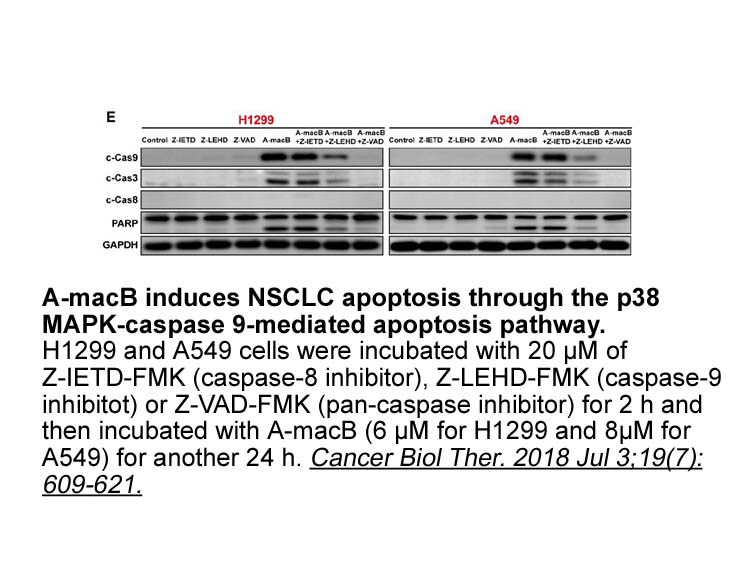
How does an increase in E2 affinity for the RING domain favor higher activity and polyubiquitination by the E2? Binding of the RING domain to the E2 positions the donor Ub in the E2~Ub conjugate in a closed complex [16], [17], [18] that increases the reactivity of the thioester [60]. A higher affini
-
br Materials and methods br Results br Discussion
2020-06-22
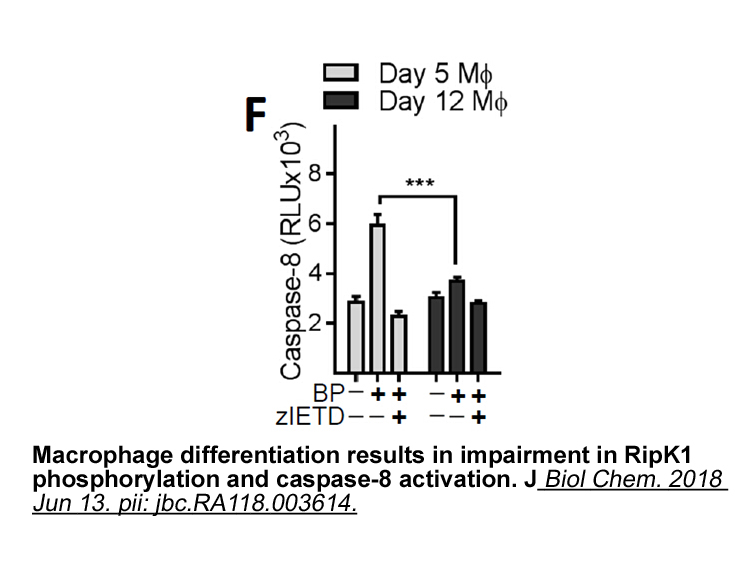
Materials and methods Results Discussion Plant U-box E3 Ub ligases regulate diverse plant-specific cellular processes [1], [2], [3], [4]. However, structural and functional relationships between U-box E3s and their E2 partners are largely unknown in higher plants [24], [25]. In this study,
-
aminoisobutyric acid BAIBA is a natural catabolite of
2020-06-22

β-aminoisobutyric WM-1119 australia (BAIBA) is a natural catabolite of the branched-chain amino acid thymine. BAIBA was recently found to reduce inflammation in skeletal muscle via the AMP-activated protein kinase (AMPK)-peroxisome proliferator-activated receptor (PPAR)δ signaling pathway. BAIBA re
-
Similarly synthetic analogs of Alogliptin by replacing
2020-06-22
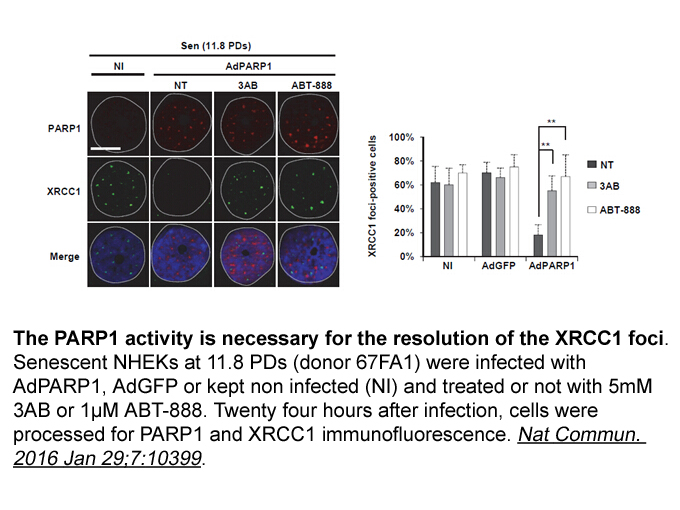
Similarly synthetic analogs of Alogliptin by replacing the cyanobenzyl group with the butynyl group have been synthesized and tested as selective DPP-4 inhibitors [7], [8]. Additionally, quinazolines [9], [10], pyridopyrimidinediones [11], pyrazolopyrimidinones [12] and pyrimidines [13] as DPP-IV in
-
It was recently reported that a functional single nucleotide
2020-06-20
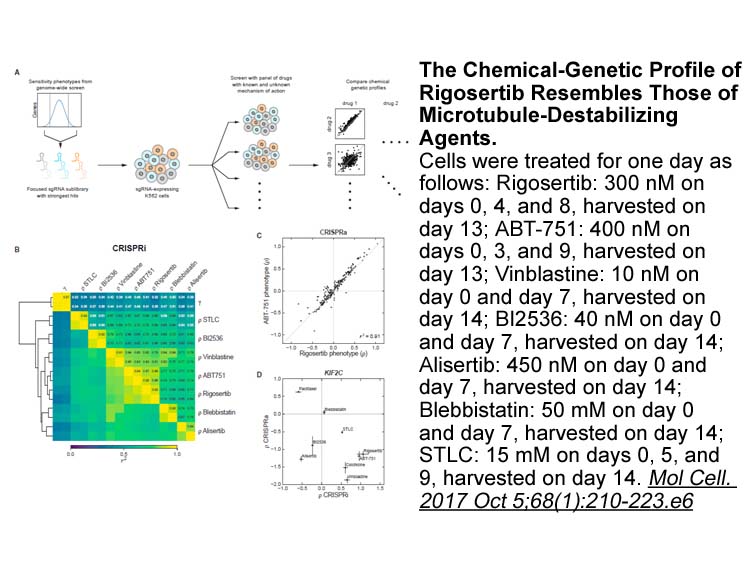
It was recently reported that a functional single nucleotide polymorphism (rs75932628) within Triggering receptor expressed on myeloid WZ4003 2 (TREM2) is associated with AD (Guerreiro et al., 2013). Homozygous loss of function mutations in TREM2 are also associated with an autosomal recessive form
-
MG0103 receptor Chk and Chk are functionally
2020-06-20
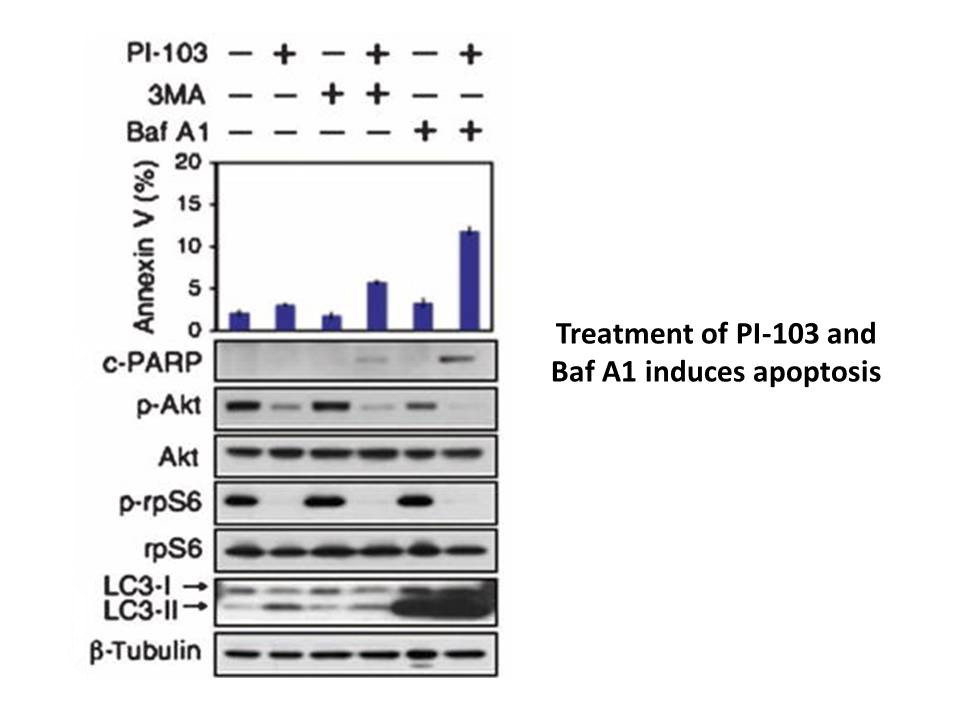
Chk1 and Chk2 are functionally redundant protein kinases that respond to checkpoint signals emanating from the phosphatidylinositol 3-kinase family members ATM (ataxia-telangiectasia mutated) and ATR (Ataxia-telangiectasia and Rad-3 related). A concerted research effort has revealed many mechanistic
-
490 We report here that ESCL protein exhibits
2020-06-20
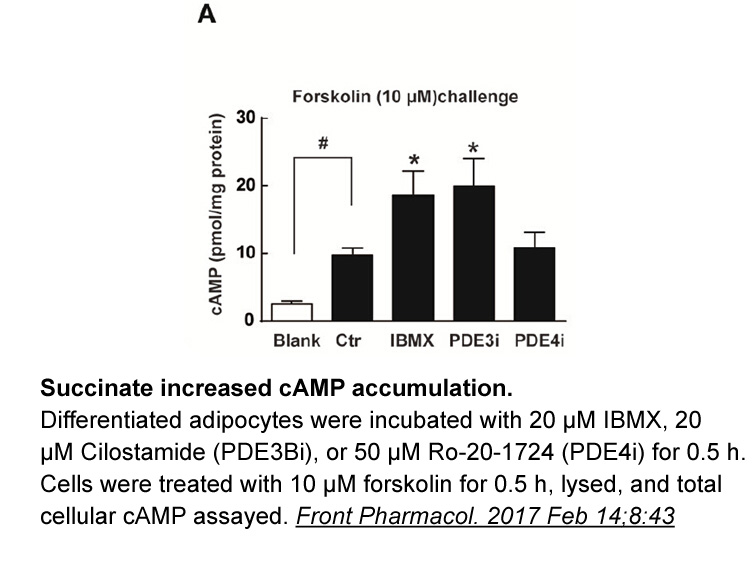
We report here that ESCL protein exhibits a temporal expression profile that is complementary to that of ESC, including substantially higher levels of expression during larval and adult stages than embryogenesis. We show that ESCL, like ESC, binds directly to E(Z) via its WD repeats and is physicall
-
Only a few studies have examined the effect of prostanoids
2020-06-20
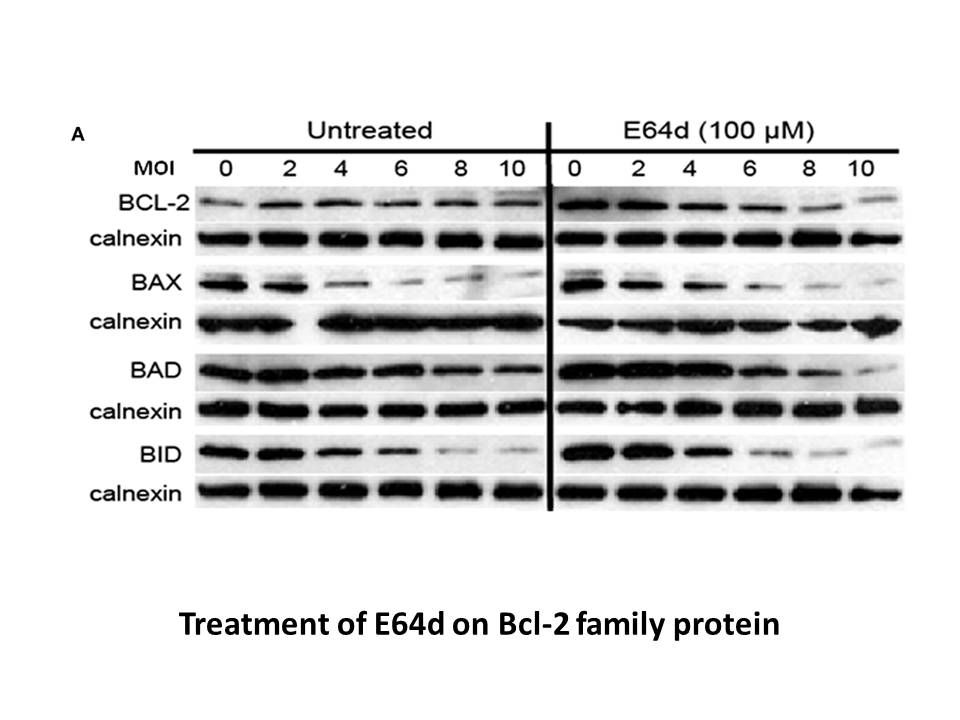
Only a few studies have examined the effect of prostanoids on cardiac fibroblasts. Therefore, this study examines the effect of PGE2 on cardiac fibroblast proliferation and tests the hypothesis that PGE2 causes cardiac fibroblast proliferation via alterations of src inhibitors regulatory molecules a
-
br Genes involved in oxysterol metabolism
2020-06-20
Genes involved in oxysterol metabolism The main enzymes that participate in the metabolism of oxysterols generally belong into one of two groups: transferases or oxidoreductases [22]. The following chapter describes those genes of oxysterol metabolism whose polymorphisms have been associated with
-
BRCC is the catalytic subunit responsible
2020-06-20

BRCC36 is the catalytic subunit responsible for the majority of K63-Ub-specific DUB activity in the cytoplasm and in the nucleus as part of two distinct macromolecular assemblies characterized by the presence of either of the MPN– pseudo DUB proteins KIAA0157 or Abraxas (Cooper et al., 2009, Dong et
-
Mutation in BRCT II domain W R either in the
2020-06-20

Mutation in BRCT-II domain (W893R) either in the full-length context or the C-terminal context greatly reduced the expression of LIG4 (Fig. 2B, Fig. 3B), suggesting the importance of BRCT-II domain in the maintenance of LIG4. In this regard, it might be noted that LIG4 protein was undetectable in Li
-
KW 3902 synthesis br Acknowledgement br Introduction Human d
2020-06-20
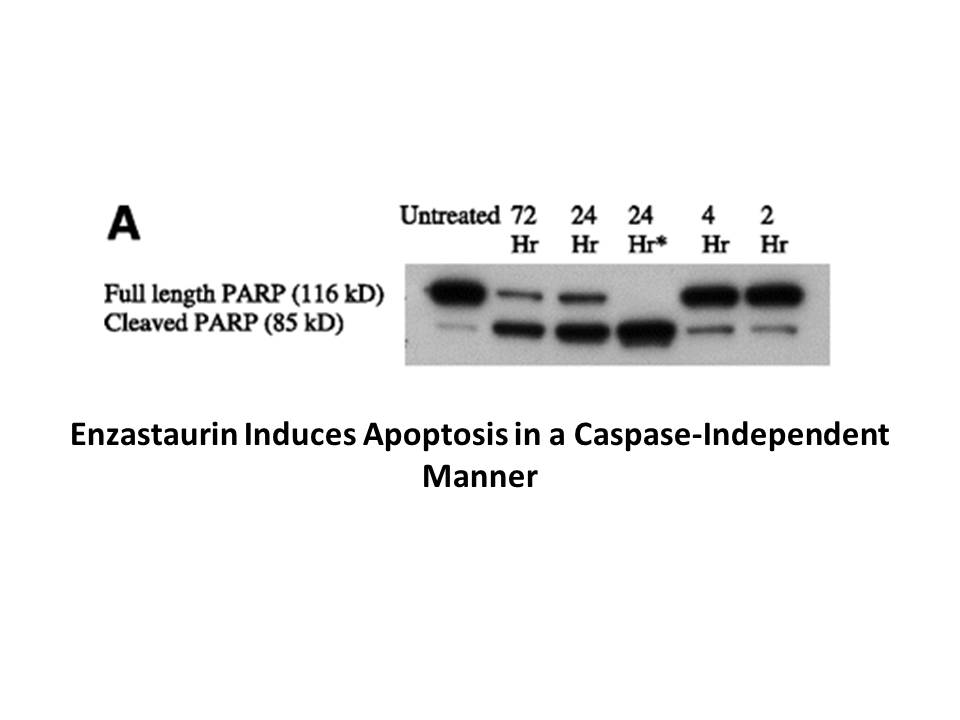
Acknowledgement Introduction Human dihydroorotate dehydrogenase (hDHODH), a flavin-dependent mitochondrial enzyme involved in de novo KW 3902 synthesis biosynthesis, is a validated therapeutic target for the treatment of autoimmune diseases such as rheumatoid arthritis and cancer [1], [2], [3]
-
br The contribution of Interference RNA and epigenetic
2020-06-20
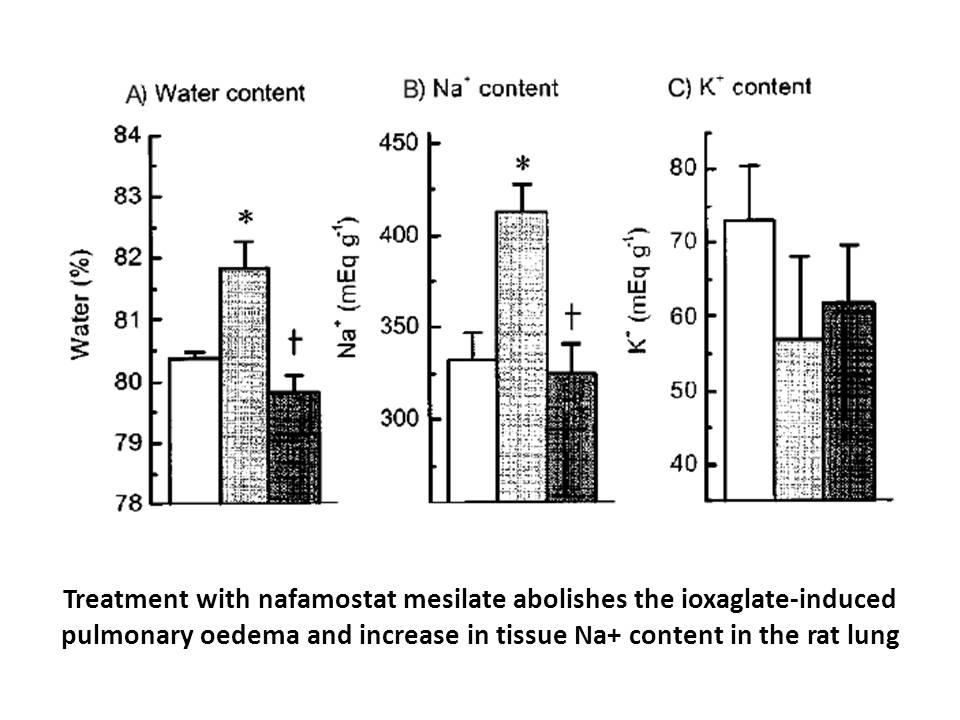
The contribution of Interference RNA and epigenetic in OA attenuation Interference RNA, a cellular mechanism for post-transcriptional gene silencing that is associated with mRNA. The potential of RNAi has successfully silenced the wide range of protein coding genes. Its high specificity sanctions
-
In this study it was
2020-06-20
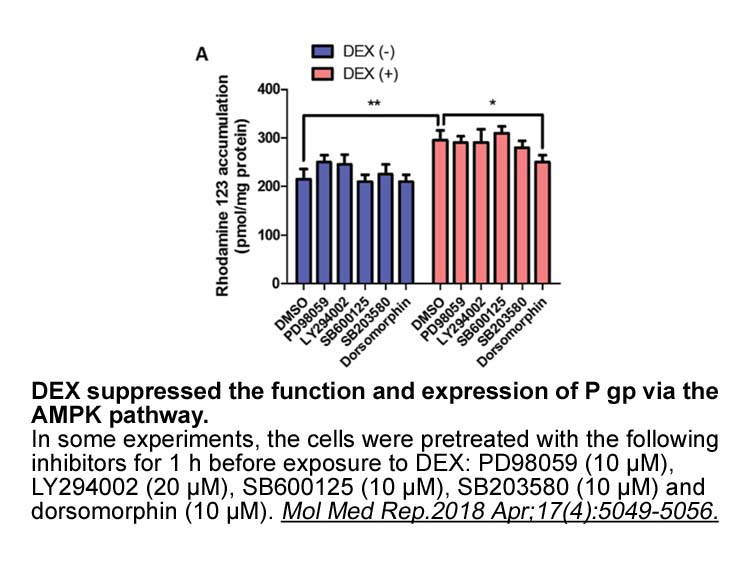
In this study, it was noted that two out of five E. crassus CYPs (CYP5681A1 and CYP5682A1) had no intron, and 3 others had one intron at different positions (Fig. 3). Number and length of introns are varied in diverse species. For example, most hypotricha genes characterized so far lack introns (Pre
-
br Roles for intracellular chloride channels br
2020-06-19
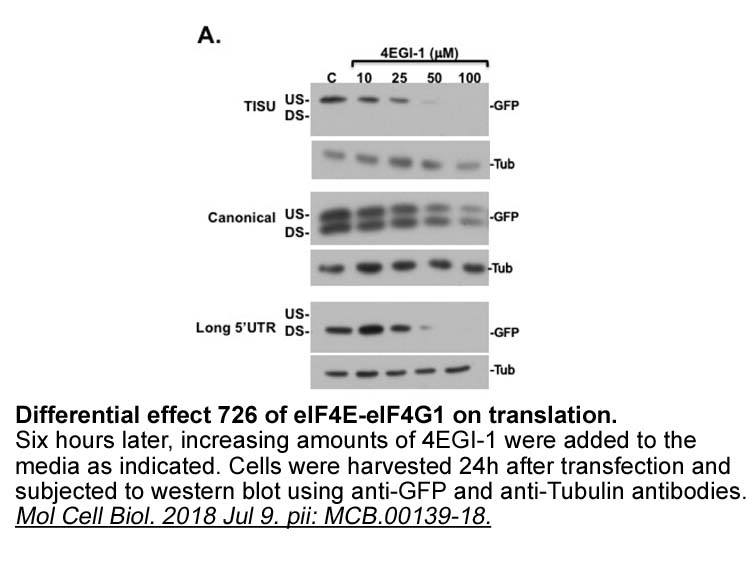
Roles for intracellular chloride channels Specific chloride channel proteins in intracellular membranes Concluding remarks Introduction The sulfonylurea derivative glybenclamide (GLYB) is used as oral hypoglycemic agent to treat non-insulin dependent diabetes mellitus [1], [2]. The antid
16263 records 836/1085 page Previous Next First page 上5页 836837838839840 下5页 Last page